Bad writers are bad because they stop too soon. In fact, let’s take a step back. The only quality, I think, that marks the writer as different from everyone else is simply an unwillingness to quit. Others give up when they learn writing is hard; the writer struggles on. When I sit down in front of the blank page, it’s no easier for me to fill it than anyone else. The non-writer looks at the blank page and — quite sensibly — says, ‘forget it, I’m outta here.’ But if they had to, they could put a few words down there — just like I do. Only the words wouldn’t be any good. So the non-writer gets frustrated, gives up and leaves. Me, too, I get frustrated… but I sit there, and work to make it better. Anybody who’s willing to struggle, I think, can write. The real work is to stick at it until you find the gold. To get to that funny line. To do the hard work no one else wants to do, but everyone wants to have done. To discover the great character bit, the clever story turn. Until you have it, you don’t have it. Until it’s there, it’s not there — and you need to stick at it until it is there.
Quote of the Day: Terry Rossario

The Hunt for Red October Script
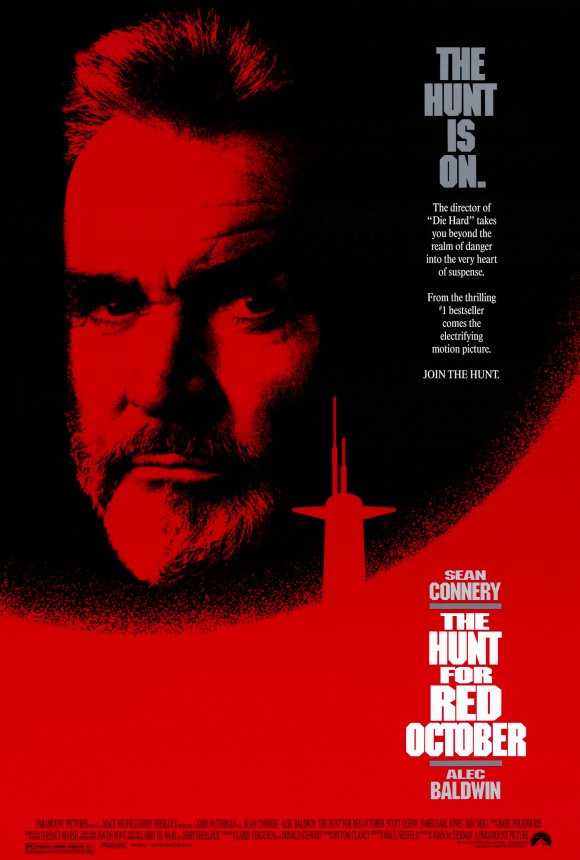
The Hunt for Red October script was written by Larry Ferguson.
Quote of the Day: L.P. Hartley
It’s better to write about things you feel than about things you know about.
Twelve Reasons to Write Today
-
Because you have a new idea and it’s worth exploring.
-
Because if you don’t, you’ll never escape the boring 9-5 job you hate.
-
Because you know you have what it takes to get produced/published, but you’ll never fully develop your talent without practice.
-
Because you need a bigger portfolio, damn it.
-
Because even if your worst fear is right and that idea in your head turns out to be utter shit once you get it down on paper, at least you’ll have gotten that idea out of the way and made room for the next one.
-
Because it doesn’t matter if your mom thinks you’d be better off going to law school.
-
Because even though you hate it, you love it.
-
Because it’s a chance to live a second life, and a third, and a fourth.
-
Because your jokes are way funnier when you get to rewrite them multiple times.
-
Because you’ll feel better about yourself than you would if you lost yet another night to Friends reruns.
-
Because it lets you be an evil super-villain without any consequences.
-
Because even if your story is as old as the hero’s journey itself, no one’s ever told it with your unique voice, viewpoint, and vision.
Quote of the Day: Doris Lessing
You should write, first of all, to please yourself. You shouldn’t care a damn about anybody else at all. But writing can’t be a way of life; the important part of writing is living. You have to live in such a way that your writing emerges from it.
Mastering the One-Page Synopsis
Susan Dennard has written a great article outlining how to write a compelling one-page synopsis. The format works well for a novel or a script, and can even be used to outline a new story. If you have trouble fitting your script into this format, chances are the problems are in the structure of your story.
Susan writes:
To learn how to write a short synopsis, I took workshops, read books, and wrote a few drafts until I had a gleaming 1-page book summary. And after all that practice, I realized I had my own method (built from the methods of my various teachers, of course), and I’m sharing that method with you here.
Susan goes through her worksheet method using the example of Star Wars:
FILL IN THE BLANKS
1. Opening image
An image/setting/concept that sets the stage for the story to come.
Long ago, in a galaxy far away, a controlling government called the Empire takes control of planets, systems, and people. Anyone who resists is obliterated.
2. Protagonist Intro
Who is the main character? Give 1-2 descriptive words and say what he/she wants.
Luke Skywalker, a naïve farm boy with a knack for robotics, dreams of one day escaping his desert homeland.
3. Inciting incident
What event/decision/change prompts the main character to take initial action.
When he buys two robots, he finds one has a message on it – a message from a princess begging for help. She has plans to defeat the Empire, and she begs someone to deliver these plans to a distant planet. Luke goes to his friend and mentor, the loner Ben Kenobi, for help.
read more »
Quote of the Day: Albert Einstein
The secret to creativity is knowing how to hide your sources.
Brooklyn Nine-Nine Pilot Script
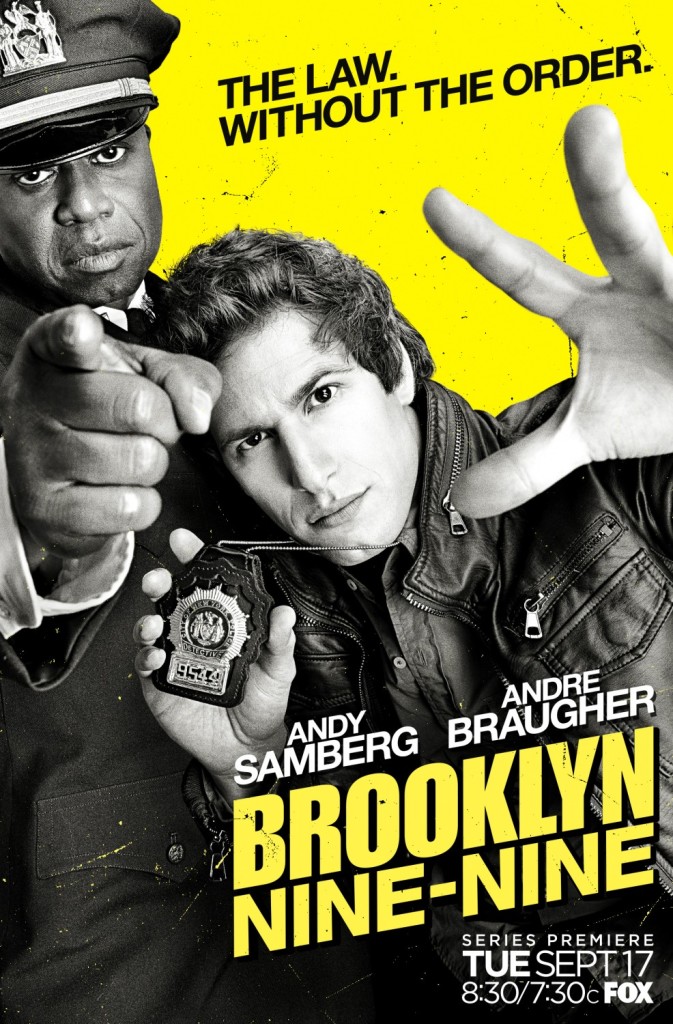
The pilot script for Brooklyn Nine-Nine was written by Daniel J. Goor and Michael Schur.
Quote of the Day: Harlan Ellison
Write for the most intelligent, wittiest, wisest audience in the universe: Write to please yourself.
Wall Street Script
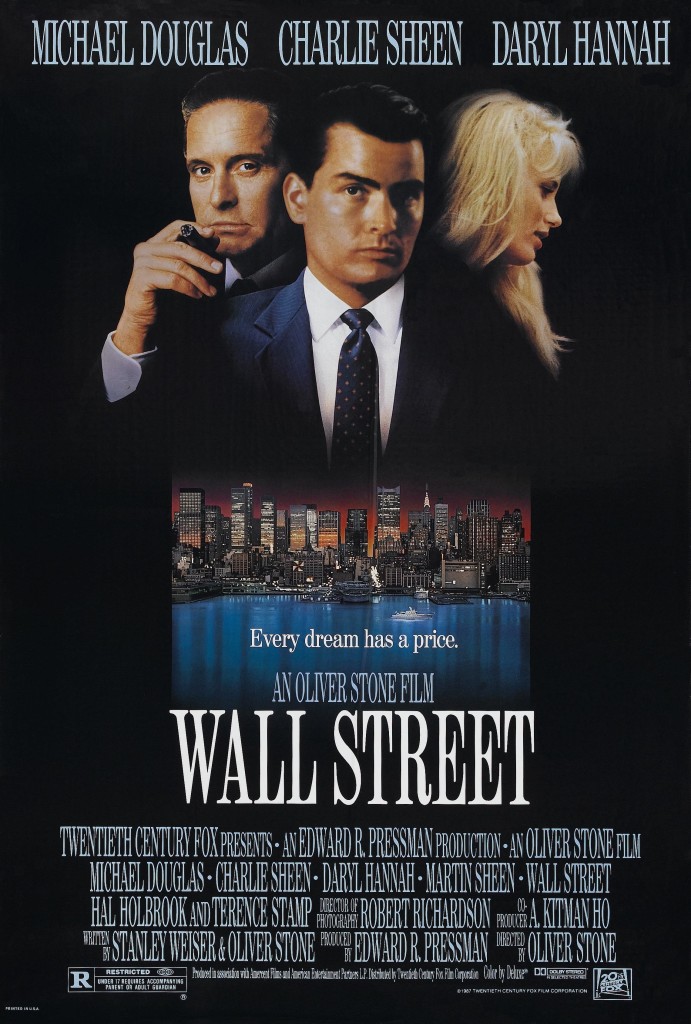
The Wall Street script was written by Stanley Weiser and Oliver Stone.