March 31, 2014
Ken Aguado and Doug Eboch, the co-authors of The Hollywood Pitching Bible, have written a great article on the ever-popular topic of how to get an agent.
As Ken and Doug shrewdly point out, when fledgling writers ask how to get an agent, what they’re really asking is, “How do I get work?” Ken and Doug give a detailed, thoughtful response, starting with some basic definitions:
In California and New York (but not all states) agents are licensed, bonded, and allowed to solicit work on behalf of their clients. Managers and lawyers are not licensed to solicit work for their clients (although lawyers are licensed to practice law and regulated by the state bar associations where they practice). This is why we used quotation marks above when we described them all as representatives. While agents, managers and lawyers are all “representatives” in the colloquial sense, only agents are legally authorized to represent their clients to solicit work on their behalf.
So if they are not procuring work for their clients, what do managers and lawyers do? Managers are supposed to provide what can generally be described as career guidance for their clients. Lawyers do legal work and contracts for their clients. For their services agents charge 10% percent of their client’s income. Managers are usually paid the same percentage (actors typically pay a 15% commission), though unlike agents there is no rule as to what a manager’s commission must be. Lawyers typically charge 5% or bill hourly. If you are just starting out, you can expect to be billed an hourly rate by most entertainment attorneys. While there’s no universal rate, many charge between $350 and $500 an hour, sometimes more, and very often it is money well spent. If you are going to discuss obtaining legal services from any attorney, be sure to ask up front what their services will costs.
read more »

Posted in News |
Leave a Comment »
March 31, 2014
You’re done, you’re thrilled, you want to get it out there. But that ignores the one advantage a first time writer has over the pro, which is time.
Posted in Quotes |
Leave a Comment »
March 20, 2014
My own way of writing is very meditated and, despite my reputation, rather slow-moving. So I do spend a good deal of time contemplating endings. The final ending is usually arrived at simply by intuition.
Posted in Quotes |
Leave a Comment »
March 19, 2014
Heidi Grant Halvorson of the Harvard Business Review has written a great article on the mindsets that keep us from being productive and what we can do to combat those feelings. Her advice applies to all types of work, but the lack of motivation she’s talking about is exactly the kind most writers suffer from.
Heidi writes:
Can you imagine how much less guilt, stress, and frustration you would feel if you could somehow just make yourself do the things you don’t want to do when you are actually supposed to do them? Not to mention how much happier and more effective you would be?
The good news (and its very good news) is that you can get better about not putting things off, if you use the right strategy. Figuring out which strategy to use depends on why you are procrastinating in the first place.
Heidi lists three reasons why people put things off, and all apply to writers, but this first one hits particularly close to home:
Reason #1 You are putting something off because you are afraid you will screw it up.
Solution: Adopt a “prevention focus.”
There are two ways to look at any task. You can do something because you see it as a way to end up better off than you are now – as an achievement or accomplishment. As in, if I complete this project successfully I will impress my boss, or if I work out regularly I will look amazing.
read more »
Posted in News |
Leave a Comment »
March 19, 2014
I have a process where I eliminate dialogue and replace it with actions that can speak the same truth, if possible.
Posted in Quotes |
Leave a Comment »
March 18, 2014
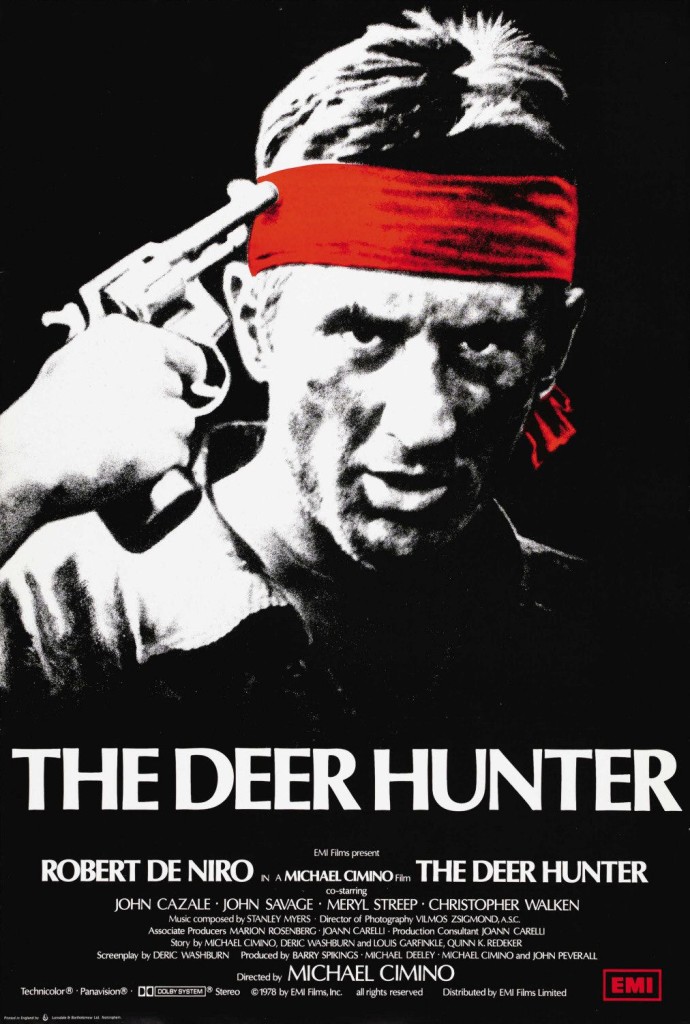
The Deer Hunter script was written by Deric Washburn.
Posted in News, Scripts |
Leave a Comment »
March 18, 2014
If you steal from one author, it’s plagiarism; if you steal from many, it’s research.
Posted in Quotes |
Leave a Comment »
March 17, 2014
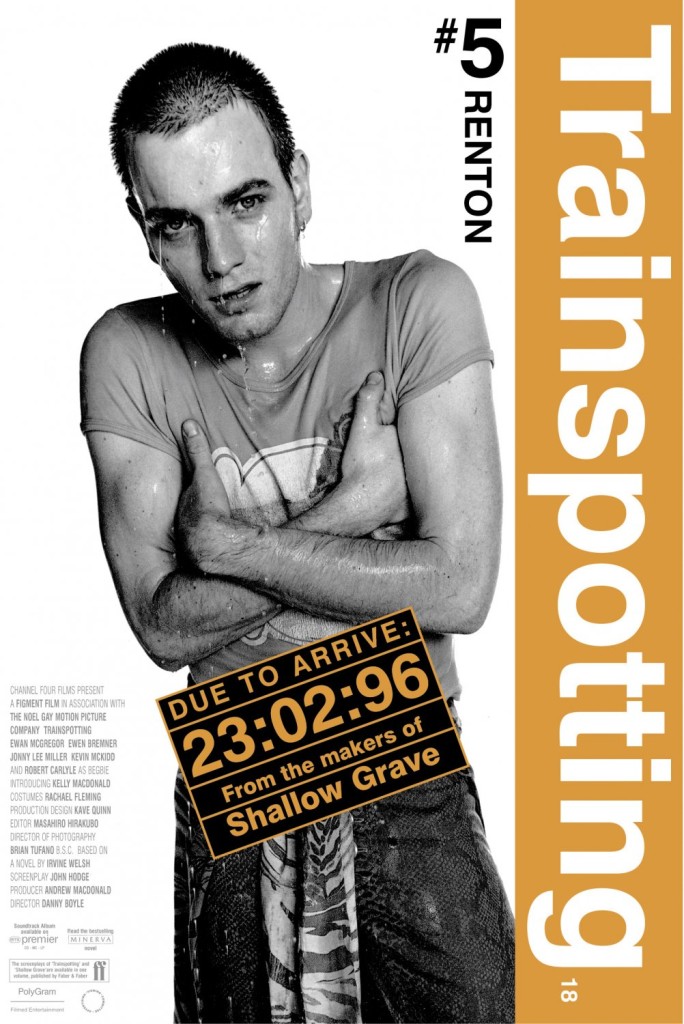
The Trainspotting script was written by John Hodge based on the novel by Irvine Welsh.
Posted in News, Scripts |
Leave a Comment »
March 17, 2014
I write until the first draft is finished, and then I feel that I can get out. But, during the time of the writing of the first draft, I don’t go out. I’m just locked away, writing. It’s a time of meditation, of going into the story.
Posted in Quotes |
Leave a Comment »
March 14, 2014
 The Writer:
David Webb Peoples is the writer behind three of my favorite films of all time: Blade Runner, 12 Monkeys, and Unforgiven. His resume is on the short side compared to some, but his scripts are absolute masterpieces. Blade Runner is considered one of the best sci-fi films of all time, and Unforgiven is at the top of most people’s lists of westerns (if you haven’t seen it or read it, I highly recommend it — it’s an excellent character study for screenwriters.)
Credits:
Soldier (written by) - 1998
Twelve Monkeys (screenplay - as David Peoples) - 1995
Hero (screenplay) / (story) - 1992
Unforgiven (written by) - 1992
read more »
Posted in News, Screenwriter Profiles |
1 Comment »