The Saving Private Ryan script was written by Robert Rodat.


The Saving Private Ryan script was written by Robert Rodat.
I was standing in the schoolyard waiting for a child when another mother came up to me. Have you found work yet? she asked. Or are you still just writing?
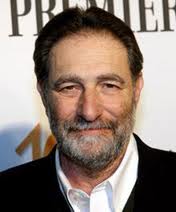 The Writer:
Eric Roth got his film degree from the UCLA School of Theater, Film, and Television (he attended at the same time as Jim Morrison), and went on to have an impressive career which continues to this day. His credits include Forrest Gump, Extremely Loud & Incredibly Close, and The Curious Case of Benjamin Button.
Credits:
Untitled Good Shepherd Sequel (screenplay) (announced)
Luck (TV Series) (written by - 1 episode) - 2012
Extremely Loud & Incredibly Close (screenplay) - 2011
The Curious Case of Benjamin Button (screenplay) / (story) - 2008
Lucky You (screenplay) / (story) - 2007
The Good Shepherd (written by) - 2006
read more »
No matter how many times people say it - ‘Oh, I’m just writing this for myself’ ‘Oh, I’m just doing this for myself’ - nobody’s doing it for themselves! You’re doing it for an audience.
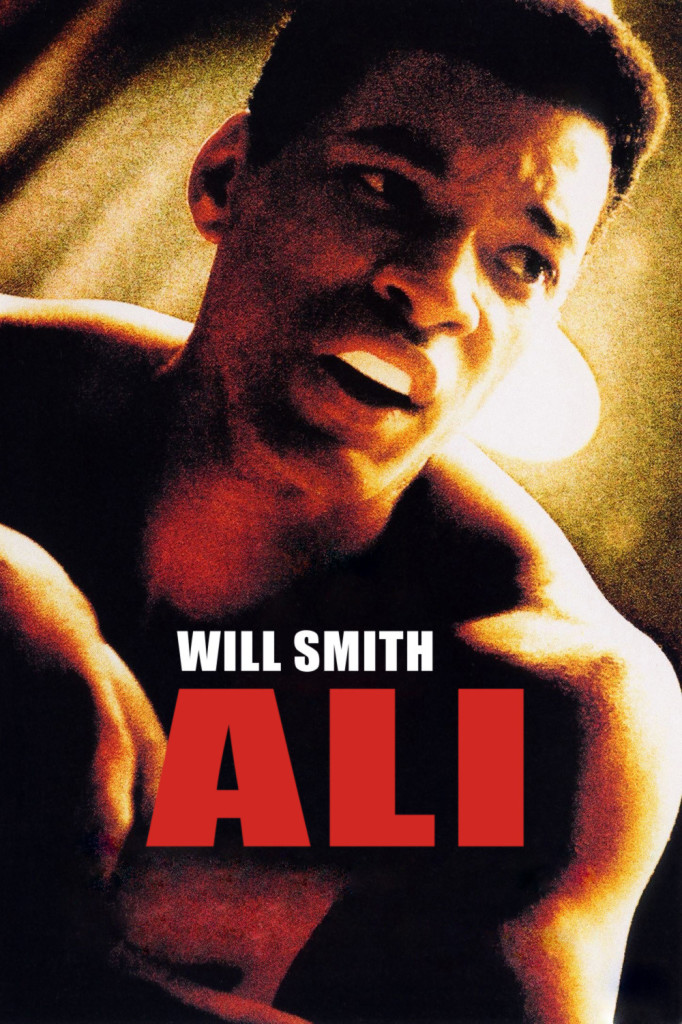
The script for Ali was written by Stephen J. Rivele, Christopher Wilkinson, Eric Roth, and Michael Mann.
A great deal of talent is lost to the world for want of a little courage.
Robert McKee’s team recently shared an excerpt from his book about scenes and what they should accomplish. It’s excellent advice, though very hard to follow. McKee wrote:
“A SCENE is an action through conflict in more or less continuous time and space that turns the value-charged condition of a character’s life on at least one value with a degree of perceptible significance. Ideally, every scene is a STORY EVENT.
Look closely at each scene you’ve written and ask: What value is at stake in my character’s life at this moment? Love? Truth? What? How is that value charged at the top of the scene? Positive? Negative? Some of both? Make a note. Next turn to the close of the scene and ask, Where is this value now? Positive? Negative? Both? Make a note and compare. If the answer you write down at the end of the scene is the same note you made at the opening, you now have another important question to ask: Why is this scene in my script?
read more »
I shall stick to my resolution of writing always what I think no matter whom it offends.
Creativity is allowing yourself to make mistakes. Art is knowing which ones to keep.